Sunday, April 18, 2010

What's in the "shots?"


In this episode:

Special tribute to Layne
Pet joke of the week: Blame it on the dog
Personal comment: What's in the "shots?"

Transcript of personal comment from this episode of The WebDVM:

Onto my personal comment tonight, I am sure many of you watching take your pets regularly to the vet for "shots," only, aside from rabies, many pet owners do not really take the time or even seem to care to ask what shots are being given to their pets, and why. This was always curious to me, since, as a pet owner, and now as a father, I want to know exactly what my children, human or furry are getting injected into their bodies. I am here to tell you tonight that you SHOULD care about what is being injected into your pets since, while vaccines are an invaluable infectious disease prevention tool, they are not to be used lightly, as the mechanism by which they impart protection places stress on the body.

With this in mind, the American Veterinary Medical Association, or AVMA, the governing body of United States licensed veterinarians, early in my career set forth vaccine reforms whereby research into the duration of protective vaccine titers, and the prevalence of disease based on geography and lifestyle, was used to determine a minimally necessary vaccine protocol for each individual patient based on overall risk. The result is an approach to vaccines where we give the minimum number of vaccines necessary to keep patients safe, without overdoing them.

Since we only have limited time here on YouTube, I will focus on dog this week, and discuss feline vaccines next week. We already mentioned rabies, which is considered a core vaccine, or, a vaccine that is common to all dogs, as rabies is present everywhere. Rabies is both safe and effective to be administered as a 3 year vaccine, and is state law in all states that I am aware of given its risk to humans.

The DHPP is a 4 in one vaccine, which protects for distemper virus, viral hepatitis, parainfluenza, and parvo. This is also a core vaccine, which is also effective given once every 3 years as per AVMA recommendations. Some vets give this vaccine as a 5 in one DHPPC, which also adds immunization for cornavirus. But I am not a proponent of this, since coronavirus is not a serious disease, causing only mild to moderate diarrhea, which usually does not even require veterinary care. Others give this as a 6 in one DHLPPC, also adding immunization for leptospirosis. I vehemently oppose the use of this vaccine opting against coronavirus for reasons I just noted, but also for the inclusion of leptospirosis. Leptospirosis is a very serious and deadly disease, but overall risk is very specific to lifestyle first of all, and secondly, even if a dog is deemed to be a leptospirosis risk, it is a yearly vaccine and should not be given as a 3 year vaccine along with the core DHPP.

Regarding leptospirosis, this is a bacterial disease that tends to persist in standing fresh water environments, such as marshes, lakes, ponds, and large puddles. Therefore, only dogs who live in close proximity to fresh standing water, frequent ponds and lakes, are used for hunting, or spend the majority of their time outside, are candidates for this vaccine, making leptospirosis not one of the core canine vaccines. If candidates, dogs should receive a leptospirosis vaccine once yearly. Vaccines against bacterial diseases generally have significantly less duration of activity than viral ones.

Bordatella is disease that causes bacterial upper respiratory infection that leads to a hallmark hacking, gagging type of cough. The human bordatella variant is responsible for whooping cough in people, however, cross species infection is highly unlikely. Risk of disease is also lifestyle dependent, making this vaccine also not a core canine vaccine. Dogs that are at risk for this disease are ones frequently in contact with numerous other dogs, such as boarding kennels, dog shows, bark parks, and groomers. For occasional exposure to other dogs, the vaccine is recommended yearly, but in patients where there is frequent exposure, the vaccine is recommended once every 6 months. The most effective form of the vaccine is the intranasal version, administered up the nose much like a nasal spray.

Lyme Disease is not a core vaccine, but is a serious disease for which dogs are at risk in climates and wildlife that support proliferation of the tick called Ixodes Scapularis, commonly known as the hard deer tick. For example, in Long Island, NY, where I practiced early in my career, the risk of disease was very high due to high persistence of the infective ticks. Diagnosing at least 5 new infections per month, I recommended Lyme vaccine. Here on the Florida Spacecoast, however, the specific types of ticks that transmit Lyme are rare, making disease rare to non-existent, owing to my recommendation against vaccination.

Giardia vaccine I must tell you is a complete farce. Giardia is a protozoal parasite that infects the gut, the consequences of which typically cause nothing more than diarrhea, which easily and effectively resolves with appropriate treatment. The vaccine has never been proven to actually prevent giardia, but those who are proponents of the vaccine, claim that it decreases the impact of the disease if the patient gets infected with the parasite, a ridiculous reason to give the vaccine even if that were true, since disease is typically mild, and resolves quickly with treatment.

So that is canine vaccines in a nut shell. Now next time your take your dog to the vet for "shots," you are now armed with the information you need to know if what is begin given is something that really NEEDS to be given. If in doubt, ask questions, we are there to serve you and your pets, and you should be fully informed about what it is we give your pets and why. If you want to have this information on you as a reference the next time you go to the vet, as always, a transcript of this personal comment will be posted at my blog at webdvm.blogspot.com, which you may feel free to print a copy of.

Don't forget to join me Mondays 9pm EST for my live toll free call-in radio show at:

BlogTalkRadio.com/RWDVM

Also, catch my for my live video webcast Wednesdays 9pm EST at:

BlogTV.com/People/RWDVM

Missed the live BlogTV show? View it recorded here:


Cali strikes puppy mills - Broadcast your self LIVE


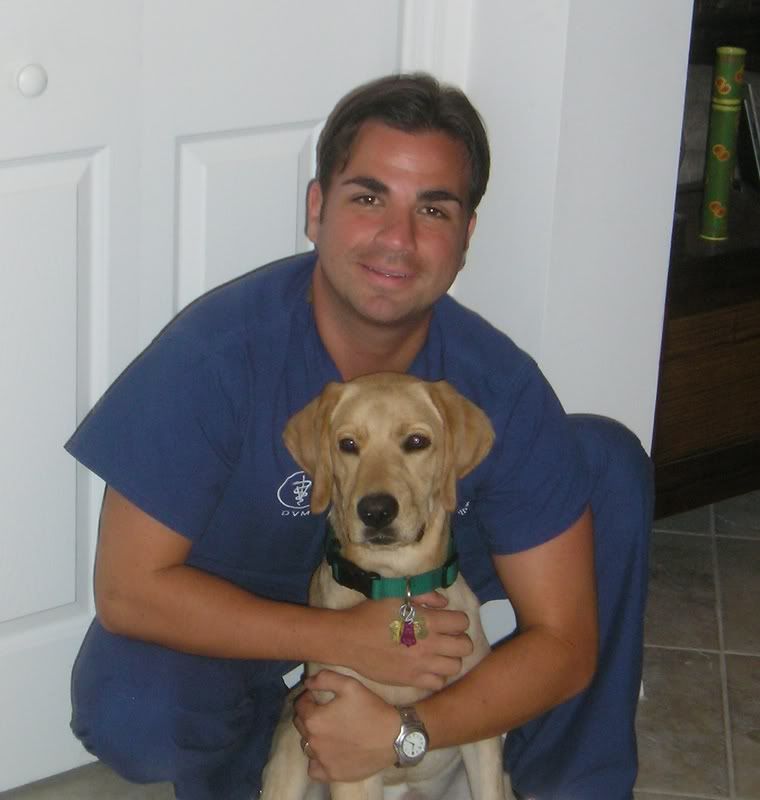
Dr. Roger Welton is the President and chief veterinarian at Maybeck Animal Hospital in West Melbourne Florida, as well as CEO of the veterinary advice and health management website Web-DVM.net.

Sunday, April 11, 2010

The unsung hero of veterinary medicine


In this episode:

Special guest host and blogger, Melissa Welton, CVT
Personal Comment: The unsung hero of veterinary medicine

Transcript of personal comment from this episode of The WebDVM:


As pet owners, when it comes to our pets' health care, we tend to center our attention on the veterinarian, for it is he who we see examine our furry family members, interpret their clinical signs, offer a list of possible diseases, make diagnostic recommendations and interpretations, formulate a treatment plan, and perform surgery. Indeed we should see veterinarians as the engines that drive our pets' healthcare. However, like the car that cannot function with an engine alone, needing other integral parts to translate that power into a functional automobile, so does the veterinary technician channel the veterinarian's vision into a fully functional hospital. Tonight's personal comment, is a tribute to these individuals that perform an invaluable contribution to your pets' healthcare, but do not always receive the recognition they deserve.

So what does the certified veterinary technician do? Well, let us start with the veterinarian's initial assessment. He has an idea of possible diseases based on history and physical examination, and consequently orders diagnostics to narrow down his list. Whether it is blood work, urinalysis, x-rays, or EKG, to name a few, it is the certified technicians who collect the blood and urine, shoot the x-rays, and hook up and run the EKG. All lab work is properly processed, packaged and sent out by the veterinary technician, or in the case of ours and many other hospitals, the technicians actually load the samples into blood machines for on-site, express processing.

Based on the veterinarian's interpretation of the diagnostics, he will formulate a treatment plan, of which the technicians will administer the vast majority of, whether it be injections, fluids, oral medications, or topical wound treatment. If there is a surgery to be done, the technician performs all necessary pre-anesthesia injections, induces the patient, places a tracheal tube to protect the airway and administer gas, then monitors the patient's vitals throughout the procedure. If an assistant is necessary, it is often a veterinary technician who serves as scrub nurse assisting the veterinarian in surgery. If a patient is hospitalized, the technicians perform most treatments, monitor vitals, feedings, and report all data to the attending veterinarian.

When lab reports are faxed to the hospital, it is usually the technicians that collect the forms, attach them to the appropriate records and place them in the veterinarian's box for review. If refills or other medications are to be dispensed, the technicians fill the prescriptions, write or print out the instruction labels and place them on the bottles.

As you can clearly see, the veterinary technician is the natural extension of the veterinarian, the gears in the machinery so to speak, and a vital component to patient healthcare and a full service veterinary hospital. The veterinary technician is especially important in relatively young hospitals like that of my husband and I, where practice debt has not yet been fully paid and practice growth is still a work in progress: unable to take the financial leap to carry another full time doctor, my husband Roger has only a part time relief vet, necessitating that he carry the caseload of two doctors. What enables him to successfully manage such a heavy caseload? Of course his own early career experience as an ER vet makes him a natural case juggler, but it is his reliance on his experienced and highly competent veterinary technicians, myself included, that go a long way toward lightening his burden.

So the next time you are at the vet, take notice of the technicians and assistants, and know that they work very hard to help your vet deliver the best possible healthcare. Your vet may have sacrificed many years at great expense to learn and study his most noble and highly skilled craft, but your technicians spent 2 years of their own in formal training and passed a national board examination for their certification. They toil along side your vet, in the trenches implementing his vision with no less passion, vigor, and concern for the well being of your pet. Perhaps even a thank you may be in order.

Guest blogger Melissa Welton, CVT

Don't forget to join me Mondays 9pm EST for my live toll free call-in radio show at:

BlogTalkRadio.com/RWDVM

Also, catch my for my live video webcast Wednesdays 9pm EST at:

BlogTV.com/People/RWDVM

Missed it? View it here:


Hero cat! - Broadcast your self LIVE

Dr. Roger Welton is the President and chief veterinarian at Maybeck Animal Hospital in West Melbourne Florida, as well as CEO of the veterinary advice and health management website Web-DVM.net.

Sunday, April 4, 2010

Relief for pets with arthritis


In this episode:

Pet Joke of the Week: Top 10 Dogs Peeves About Humans
Personal Comment: Relief for Pets with Arthritis

Transcript of personal comment from this episode of The Web-DVM:

For my personal comment this evening, I chose perhaps the most common disease of dogs and cats, arthritis. Arthritis, causes chronic pain, adversely affects patient quality of life, and in the advanced stages, can be utterly debilitating. These days, however, your pet does not necessarily need to suffer, with both holistic and medical treatments that go a long way toward keeping arthritic patients comfortable, even turning back the clock on disease.

Let us begin by defining arthritis, since many pet owners do not fully understand what the term completely means. Many think arthritis is a stiff and painful joint, which is more the outcome of arthritis, than the actual term. Arthritis simply put, means inflammation of a joint. It occurs most commonly from age related wear and tear of joints, but can occur in younger patients as the result of genetic joint deformities like hip dysplasia, injury to a joint, or severe obesity.

Whatever the cause, arthritis leads to the breaking down of the cartilaginous surfaces of a joint followed by, in the body's attempt to protect itself, the laying down of bone where soft, articulating cartilage used to be, and a subsequent stiff, less mobile joint. This process is known as degenerative joint disease or DJD.
So what do we do when our pet has arthritis and/or DJD? Well, let us start with what you should NOT do.

- Don't allow your pet to get fat. Obesity will cause early onset arthritis and will accelerate the progression of arthritis.

- Don't try to self medicate your pets with over the counter human grade pain relievers. Aspirin, ibuprofen, naproxen, and Tylenol are highly toxic to dogs, leading to dangerous, even deadly consequences.

- Don't waste your time with commercially sold joint health nutritional supplements. These products are no FDA regulated, with many subsequently regularly found to lack the ingredients they claim to have. Opt instead for veterinary grade nutritional supplements as recommended by your vet.

Step one of arthritis and DJD management is to recognize if you pet is overweight. Obese arthritic patients' quality of life often improves greatly just from weight reduction decreasing stress on the joints. Reducing food or opting for a weight management diet can go a long way in managing arthritis.

For early stage arthritis, I like to engage in a holistic approach to making the the joint less inflamed ,stronger, and more stable. In this regard, I like to combine the oral joint health supplement Dasuquin, with injectable Adequan. These nutraceuticals, as they are called, contain powerful collagen building products, as well as natural anti-inflammatory agents. The net result is the body gets a strong boost in its own ability to restore cartilage and other connective tissues and reduce inflammation.

If there are specific areas of DJD that are markedly affected, as is often the case with the hips or shoulders, combing nutraceuticals with regular treatments with a therapeutic low level laser is invaluable. Therapeutic laser delivers low level photons of energy to an injured joint, opening the blood vessels to more efficiently deliver healing cells, provide energy to cells to absorb nutrients faster for optimal tissue regeneration, and stimulate trigger points to relieve pain and inflammation. The laser is perhaps the most profound technological advancement in the field of arthritis management.

For more advanced cases, holistic approach with nutraceuticals therapy laser are still invaluable, but at least in the early phases of treatment, for pain relief and inflammation reduction, it is s good idea to start the patient on a good veterinary grade anti-inflammatory pain reliever. For dogs, I favor Previcox for its exceptional safety profile for long term use. However, since Previcox is still a drug that must me ultimately processed by the liver and kidneys, I engage aggressively with holistic management to try to wean the patient off it, or at least scale back doses to a minimum.

Cats generally do not do well with anti-inflammatory pain relievers, even veterinary grade ones, making weight and holistic management all the more important for this species. Once disease gets so advanced that holistic management no longer is able to keep the patient comfortable, oral or injectable corticosteroids can be used.
So if you have a stiff, painful pet, don't let him suffer needlessly, as you can see there are many options for management of arthritis and degenerative joint disease. If your pet is fat, begin by making a concerted effort to get weight off, then schedule a consultation with your vet to begin a proactive approach to regaining a good quality of life for your pet.

Don't forget to join me Mondays 9pm EST for my live toll free call-in radio show at:

BlogTalkRadio.com/RWDVM

Also, catch my for my live video webcast Wednesdays 9pm EST at:

Miss my live webcast? No problem, it is recorded here:


No Title- Broadcast your self LIVE

Dr. Roger Welton is the President and chief veterinarian at Maybeck Animal Hospital in West Melbourne Florida, as well as CEO of the veterinary advice and health management website Web-DVM.net.

Sunday, March 28, 2010

Good grooming is good health


In this episode:

Pet Joke of the Week: Famous cat quote.
Headline News/Personal Comment: Celebrity pet gossip - Kelly Osbourne

Transcript of personal comment from this episode of The Web-DVM:

My personal comment tonight deals with a field of pet care that is far too often overlooked as a health concern: grooming. People think of dogs and cats getting groomed as simply a pampering day at the spa, getting bathed, cut, blown out, and made to smell nice, merely a luxury for the pet and its owner. Well ladies and gentlemen, I am here to tell you that grooming is also good for the pet’s health.
You see, a dirty, smelly, matted, pet, is not a healthy pet. Hair mats eventually spread outward incorporating more hair, while moving up the hair shafts toward the skin. At some point, they begin to pull on the skin causing pain, if large enough, severe pain.

Hair mats retain shed hair, preventing the hair coat from renewing itself, a crucial component to coat and skin health. Hair mats hold in air born allergens, such as pollens and pollutants, contributing to allergy related skin infections and contributing to overall poor health.

Washing, brushing, and blowing out the hair coat removes sebaceous gland secretions, bacteria, yeast, and allergens that lead to infections and poor skin and coat health. Cleaning the ears also prevents inflammation and infection of the ears. Case in point, a staggering percentage of my patient visits are disease of the skin and ears, approaching 30% of my appointments in a given day. Probably at least half of these circumstances could be prevented with good, regular grooming.

Regarding cutting of the nails, another important aspect of grooming, not trimming them regularly can lead to injuries and infections of the toes, such as ingrown toenails, broken, bleeding nails, or even dislocation or fracture of one or more digits. Not a week goes by that I do not treat some injury or disease that results from excessively long nails.

Last but not least is the anal glands, 2 glandular structures that secrete a fluid contained in pouches in the rectal wall, just inside the anal sphincter. These pouches, known medically as the anal sacs, under normal circumstances get expressed when feces pass through the region, with the fluid emptying onto the feces, coating it and giving it a signature scent unique to the animal.

In domestic dogs and sometimes in cats, these sacs do not empty as they should and remain full, causing itching and discomfort and often subsequent scooting behavior, and can even become impacted and form abscesses. Regular grooming prevents this, as most groomers manually express them as part of the regular grooming.

So you can clearly see that grooming is an essential part of caring for your pets. Grooming is far more than just smelling nice with bows and ribbons, far more than simply a pampering luxury. Good grooming is good health.

Don't miss my Live Call-in Radio Show Mondays 9pm EST at:

BlogTalkRadio.com/rwdvm

...and, my live video webcast at BlogTV.com Wednesdays 9:00pm:

Missed the most recent episode? View it archived here:


Animal news & views - Broadcast your self LIVE

Urgent Rescue Need!

14 hounds are scheduled for euthanasia because for whatever reason they were deemed not useful for hunters. This is the kind of dismal lack of respect for life some people have: dog not a good hunter, kill'em! Euthanasia date is set for 3/30/2010! Here is a pic of one of them:


Follow this facebook link to see the pics and bios of all of the other dogs:

http://www.facebook.com/home.php?#!/album.php?aid=53694&id=1312923720&ref=nf

Please call the shelter in NC if you have room in your homes and your hearts for one of these dogs whose only crime was that they are unwanted. Here is the shelter information:

Bladen County Animal Shelter
506 Smith Circle
Elizabethtown, NC 28337
Phone: 910-862-6918

Dr. Roger Welton is the President and chief veterinarian at Maybeck Animal Hospital in West Melbourne Florida, as well as CEO of the veterinary advice and health management website Web-DVM.net.

Sunday, March 21, 2010

Spork to be spared, but Spork's owners not so innocent.


In this episode:

Pet Joke of the Week: The Jealous Island Dog
Headline News/Personal Comment: Spork to be spared, but his owners are not so innocent.

Transcript of personal comment from this episode of The Web-DVM:

In our last episode, we talked about Spork, the wiener dog who had bitten a veterinary technician in the face and as a result was facing possible euthanasia on the charge of being branded a vicious animal. In our headline news story tonight, I offer you a positive update on the case of Spork. A Lafayette Colorado judge ruled that Spork deserves a chance to prove that he is not a vicious animal, and his owners deserve a chance to prove that they will be responsible pet owners and take precautions to warn care givers of what Spork is capable of when he is scared. As such, Spork and his owners have a 6 month probationary period, during which Spork must not bite anyone else, and his life will be spared: very reasonable ruling from my perspective.

Also to come out of follow up monitoring of the Spork case, was the extent of the veterinary technician’s injuries. In the interest of avoiding copyright infringement, I cannot post the hospital photos of the tech’s injuries, but believe me when I tell you folks, they were quite graphic. Spork’s bite led to veterinary technician Allyson Stone losing one half inch of her upper lip, and one inch of her lower lip. She had plastic surgery to repair the defect, but will likely need additional procedures to manage the disfigurement.

I have also seen a number of different quotes from Spork's owners, Tim and Kelly Walker, since the incident originally made news, and they have offered me a more well rounded impression of this incident as a whole, one that leaves me convinced that the Walkers are not innocent in all this.

Kelly Walker claims that the technician put scissors in Spork's face that scared him and provoked him to attack. She also says that Spork merely bit the technician in the chin. Well, here are the real facts, as per the Lafayette municipal court.

The technician was not doing anything excessively threatening. Since Spork was being admitted into the hospital for dental work, she was merely placing a hospital identification band on the patient, which requires snipping off the excess tab with scissors. This is standard procedure in many veterinary hospitals. Allyson Stone was certainly not coming at Spork's head with scissors as Kelly Walker tried to lead us to believe. Spork did not simply bite Allyson Stone's chin as Ms. Walker also eluded to, but in fact latched on to her lips causing serious disfigurement.

Since the judges ruling of only 6 months probation for Spork, the Walkers are not satisfied with the fact that their dog will be spared provided he does not bite anymore people. They feel they are entitled to a formal apology from veterinary technician Allyson Stone, as well as from the hospital because of the emotional toll of the ordeal, as well as the fact that Spork's good name was besmirched, and all future care givers will be weary of him, as all will fully know about this incident.

All of this leaves me with the distinct impression that the Walkers are in denial about what their dog is capable of when scared, in denial about the injuries he inflicted on this veterinary technician, and as such, likely played some part in this whole unpleasant circumstance. For there is no way that in the 10 years the Walkers have had Spork, that he suddenly decided to act like this for the first time in his life. Fear biting of this magnitude does not come out of the blue. Mark my words, folks, Spork has fear snapped before whether the Walkers want to share that or not, and not coming to terms with the fact that their dog is a fear biter, is partially the reason that Allyson Stone got injured. The fact that they are most dismayed that future care givers will know about what Spork did, is clear evidence to that fact. A responsible pet owner would warn all future care givers to muzzle the dog before approaching him for safety's sake. They certainly would not want to conceal that fact. If this incident did not make national news, the Walkers would have taken Spork elsewhere without warning the new care givers that Spork is a fear biter, and someone else may have gotten hurt.

You see, I have now a clearer picture of the Walkers, as I see these types of owners all too often. They raise their little dog in an excessively pampered fashion, not requiring the dog to listen to them, with no discipline, and never being made to do anything that he does not want to do, like have his nails trimmed or his ears cleaned. They dote on his every whim, so that when he goes to be groomed or needs veterinary work done, he is a snappy little brat, with little tolerance for anyone invading his critical space.

To make matters worse, when he acts up, rather than point the blame at themselves or their dog, they point fingers at the care giver, assuming that there must be something amiss about the care giver's approach or demeanor, for their little precious would NEVER act up without just cause. To have seen Allyson Stone's bleeding defects where sections of her lips used to be because of the actions of their dog, and feel that they are owed an apology because their dog was given an unjust bad reputation, even distort the story to make their dog look better, is beyond denial, but actually, sick. Pet owners like the Walkers quite frankly get people hurt.

That said, I will still maintain the stance of my previous post, that Allyson broke standard pet handling protocol in allowing her face to be close enough to Spork to sustain that kind of injury, sharing some of the blame for what happened to her. A person who has 15 years experience in the field should know better.

I also continue to maintain that to press charges against a fear biting, bratty little dachshund as a vicious dog that should be euthanized, is ridiculous, since the danger of injury is an accepted risk of the veterinary profession, and that it is possible if not probable, that the dog is fine in other settings, where his every whim is appeased by his owners, and he is never made to do anything he does not want to do.

However, while I am glad Spork's life will be spared, I really have no love for his owners, and I hope that they are not made to be martyrs in this case. Their complete lack of compassion for what their dog did to Allyson Stone, their denial about how dangerous their dog can be when in unfamiliar circumstances, and their distortion of the facts of the case are nothing short of appalling. The truth is now clear, that all parties, including the Walkers, had a hand in the unfortunate events surrounding the case of Spork.

Supplemental Information

I was eventually able to find a stock image of Allyson Stone with her injuries. It of course did not make it into the broadcast, but I posted it here for those who are interested:


Dr. Roger Welton is the President and chief veterinarian at Maybeck Animal Hospital in West Melbourne Florida, as well as CEO of the veterinary advice and health management website Web-DVM.net.
Thursday, March 4, 2010

The story of Spork, the "vicious" wiener dog.


In this episode:

Pet Joke of the Week: Part III of the Doggy Dictionary
Headline Pet News & Personal Comment: The story of Spork the "vicious" wiener dog.

Transcript of personal comment from this episode of The Web-DVM:

Tonight’s episode is dedicated to Spork, the vicious wiener dog. As reported by dogster.com, a veterinary technician working at Jasper Animal Hospital in Lafayette, Colorado, was bitten in the chin by a 17 pound, 10 year old Dachshund while working with him. As a result, this technician has deemed this dog vicious, and pressed charges with the local authorities, a move that could end up resulting in Spork being put to sleep. Absolutely devastated, Spork’s owners are fighting this charge leveled against their dog, and are even willing to move out of town or even out of state if necessary, in order to save their dog.

This comes as a great surprise to me, because as animal care professionals, we generally accept the occupational risk of the possibility of injury from animals. To deem an animal vicious because of its actions at the vet, a place where it is approached and handled by perfect strangers who do unpleasant things to them – examine them, give them injections, trim their nails, etc - is also not really fair.

In the case of Spork, dogster.com has video footage of happy little Spork frolicking with, and licking and kissing his owners who clearly adore him. Unfortunately, I could not post that video here at the risk of copyright infringement, but I will post a link to the dogster article on our blog. That video left me having some trouble viewing this dog as a mennace to society.

Now, I was not present when this technician was bitten, and I can sympathize when someone gets injured by an unhappy animal patient. I certainly have been bitten quite a few times and clearly understand how unpleasant, frightening, and painful that can be. On the other hand, I know enough about animals to know that something was amiss with Spork’s case.

In practice, there are two types of pets that pose a danger to us, those pets that are outwardly aggressive, and those that are fear aggressive, that it, bite only when they are scared and feel threatened. The aggressive dogs, typically let you know right from the get go that they will bite, usually carrying on and growling when we are still several feet from the animal. For this reason, precautions can usually be taken to avoid getting injured, by having the owner apply a muzzle prior to the dog being approached or handled, and we certainly are not going to allow ourselves to leave our faces or appendage any where near the pet’s mouth.

The fear aggressive dogs are the ones that can get you by surprise, since they do not show any aggression until they feel threatened, by which time it could be too late for us. Since this veterinary technician in Spork’s case let her face near enough to the dog to be bitten, I suspect that Spork must fall into the category of fear aggressive dog.

Based on this, there are two points that do not sit well with me. First, to condemn a fear aggressive dog who acts out of fear against a person that he feels threatened by (let’s face it, veterinarians and vet techs can seem threatening to some of our patients), as a vicious dog that is a danger to society and must be put to sleep, is just not a fair assessment. In any other setting, this dog may not act anything like this, and it certainly did not appear so in the dogster video of Spork.

Second, this technician, who I again sympathize with for having gotten hurt, likely did something wrong to put herself in the position to get hurt. From my first day of work as 19 year old kennel boy, it was drummed into my brain that we do not ever allow our faces to be within striking distance of the face of an animal, even one we have trusted for years. As wonderful as any pet can seem, they are animals who can act unpredictably when feeling threatened.

From a handling standpoint, we do not ever work on animals without a professional veterinary assistant trained in proper restraint techniques to keep the person working on the animal safe if unpredictable behavior occurs. Owners are not ever permitted to hold their own animals as we examine and treat them, and the animals certainly are not left loose as we examine or treat them.

Taking these simple precautions makes injury from animals actually an exceedingly rare event in most veterinary clinics, even with 10%-15% of animal patients having to be muzzled for display of aggression, whether outright or fear based. In fact, when we do get bitten, in most cases it was the result of someone braking proper restraint or handling protocol that put them in that danger in the first place. As such, I have no doubt that the vet tech bitten by Spork had that occur in part as a result of breaking basic animal handling safety measures. I do no know how else can you explain a person getting bitten by a shrimpy little wiener dog.

To this technician and the veterinary hospital she works for, I would say this: stop! This dog will never again be in your clinic, rest assured. Even if these people oculd overlook you pressing charges against their dog, you still reserve the right to refuse treatment of this dog. If you take take it further than this and go through with pressing charges that this dog is a danger to society and the law agrees with you and puts this dog to sleep, you risk being the cause of tragedy for Spork’s family, as well as heeping a mountain of bad press on yourselves.

If any of you would like to help save Spork, I encourage you to visit the dogster link from our blog at webdvm.blogspot.com. Again, you may see the short video of Spork in action with a brief interview with his owners, as well as a petition link where you can lend your support to his cause.

That is our show for this Thursday, March 4, 2010. Please help us to continue our discussion at our blog at webdvm.blogspot.com. As always, we choose comments posted there or from our friends at YouTube or the HubPages for inclusion in our live broadcast, Sunday nights at 9:00 PM EST at BlogTV.com. Thank you for watching.

Supplemental Information

Click here for Dogster story and video of Spork

Dr. Roger Welton is the President and chief veterinarian at Maybeck Animal Hospital in West Melbourne Florida, as well as CEO of the veterinary advice and health management website Web-DVM.net.

Thursday, February 25, 2010

Everything you need to know about heartworm in dogs & cats


In this episode:

Pet Joke of the Week: The Dog Dictionary Part II.
Headline pet news: Skittish cat stuck in airport x-ray machine/L.A. cracks down on pet licensure.
Personal comment: Everything you need to know about heartworm disease.

Transcript of personal comment from this episode of The Web-DVM:

My personal comment tonight deals with a topic that far too many pet owners surprisingly know too little about, heartworm disease. This is clearly evident in even my home state of Florida, the perennial heartworm capital of the USA, where veterinary clinics accomplish only 20% compliance for heartworm preventive in canine patients, and less than 8% for feline patients. So tonight I will tell you everything you need to know about heartworm disease in dogs and cats so that you may take it a seriously as it should be taken.

The heartworm is a parasitic worm that colonizes the heart of the definitive host, the domestic dog (I will address its effect on cats later). It is transmitted by the bite of mosquitoes, as the microscopic infective larvae live in the gut of the mosquito. Once in the bloodstream of the dog, the larvae mature to adult worms and then colonize the right ventricle of the heart. The worm also spends part of the time in the lungs, traveling back and forth from the heart and lungs via the pulmonary artery.

The result of the presence of these worms is inflammation of the heart muscle pulmonary vessels leading to scar tissue formation. The mass of the worms also leads to less ability of the affected heart chambers to completely fill, making the heart have to work harder to pump the same amount of blood over time. The combination of these factors leads to heart enlargement, narrowing of the heart chambers, leaky and scarred heart valves and, eventually, heart failure. At the level of the lungs, the worms cause allergic reaction, leading to inflammation, scarring, and chronic bronchitis, all this as the result of a bite from an infected mosquito to an unprotected pet.

The typical clinical heartworm disease patient presents with a severe, sometimes debilitating cough. Diagnostic findings often include fluid in the lungs and enlarged heart visible on chest x-rays, electrical disturbances of the heart in EKG findings, anemia, and high white blood cell count.

For cats, the disease is a little different, less common, but a big problem make no mistake. Since they are not the definitive host of the parasite, worms do not thrive well in the feline body, colonizing the heart as they do in dogs. Instead, the feline immune system attempts to wall off the worms, sometimes leading to the formation of cysts in the brain, lungs, kidneys, and liver. The presence of these cysts causes disease of the organs in which they form, which can include seizure, liver failure, kidney failure, or sudden death. So in cats, while heartworm is not as common as the dog, it can be every bit, if not more, dangerous.

Treatment of heartworm disease is accomplished with an arsenic known as melarsamine, administered by 2 deep intramuscular lumbar injections, each given 24 hours apart. Arsenics can cause secondary liver and kidney toxicity and dangerous allergic reactions to the dead heartworms following treatment can severely compromise the patient’s breathing and circulation. In cats, sensitivity to the arsenic and tendency to throw clots after treatment, has led to death by complication rates as high as 60%-70%, making treatment not an option for cats, but prevention all the more important.

With regard to prevention, this is the easy part. Not only are heartworm preventive medications administered only monthly, but the actual drugs have very favorable safety profiles and are also highly effective, with good client compliance obtaining protection rates as high as 95% or better. For a list of heartworm preventive medications, how they are administered, and which other parasites they protect against, see the Supplemental Information section of this post. If you are not watching this video from the blog or one of our blog syndicates, our blog home page is webdvm.blogspot.com.
For our last heartworm item, I will address the most common question pet owners present to me on this topic, which is, “If my dog is on heartworm prevention year round, why you make me get a heartworm test every year to get more heartworm medication?” There are actually a few reasons for this requirement.

First, while these preventives are very effective, they are not infallible, with failure with treatment still possible as much as 5% of the time. Keep in mind that heartworm preventive medications only kill immature infective larvae, but if they can manage to survive to adulthood, preventives won’t even touch them. Second, pets can engage in behavior that makes the heartworm preventive less effective or even useless, such as vomiting up the pill, spitting the pill out, or not having it absorb optimally because of diarrhea or eating grass. The third reason is human error - it is not uncommon for pet owners to be late on their pet’s heartworm preventive, even under the best intentions to be on time. For these reasons, some manufacturers will not guarantee the safety and effectiveness of their products without up to date yearly heartworm tests on record. On the other hand, if you comply and your pet still gets heartworm, they will pay for all diagnostics and treatments necessary to clear the heartworms and make your pet well.

That is our show for tonight, please help us to continue our discussion by posting your comments at our blog at webdvm.blogspot.com. But, we believe in being democratic here at The Web-DVM, so we are making a little change. I will still address comments posted at our blog on my live BlogTV broadcast sunday night 9:00 pm EST, but I will now also include comments from our faithful commenters at YouTube, as well as those posted by our new friends at the HubPages. I will not have time to address them all, but will be selecting the most thoughtful, unique, and/or well written comments for inclusion in my live show.

Please join us next week when I will be discussing, Spork, the vicious wiener dog. Folks, you are not going to believe this!


Supplemental Information:

Heartworm preventive products

- Heartgard - Monthly chewable flavor tabs; protects against heartworm disease, three species of intestinal parasites.

- Interceptor - Monthly tablet; protects against heartworm disease, four species of intestinal parasites.

- Sentinel - Monthly tablet; protects against heartworm disease, four sepcies of intestinal parasites, and fleas. In my experience, not great against fleas.

- Advantage Multi - Monthly topical treatment; protects against heartworm disease, four species of intestinal parasites, fleas, ear mites, and mange.

- Revolution - Monthly topical treatment; protects against heartworm disease, four species of intestinal parasites, fleas, and mange. In my experience, not great against fleas, and has been reported to be inconsistent in protecting against heartworm in dogs.

Dr. Roger Welton is the President and chief veterinarian at Maybeck Animal Hospital in West Melbourne Florida, as well as CEO of the veterinary advice and health management website Web-DVM.net.