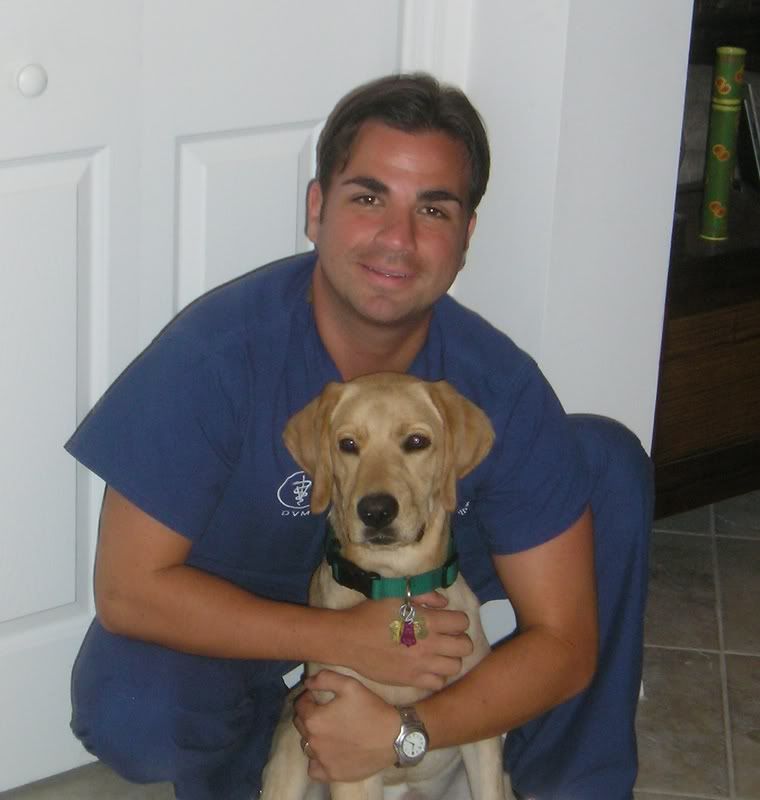
Transcript from this week's episode of The Web-DVM:
The Myth of Discount Veterinary Surgery
Greetings, pet lovers, this is Dr. Roger Welton, veterinarian and Veterinary News Network Reporter.
Most pet owners have heard of these so called veterinary clinics, offering discounted spays, neuters and other surgical procedures at very low prices when compared to general practices. In the midst of recent economic difficulties amid the Great Recession, they have capitalized on people’s financial distress, stepping up their promotion of veterinary surgery at rock bottom prices, claiming that the quality is on par with any general practice. This could not be further from the truth.
I invite you for a brief tour of my operating room, where I will highlight important aspects of safe anesthesia and surgery. I will then return to explain how this contrasts with the methods of discount clinics. While watching this, always bear in mind that anesthesia is the controlled administration of potentially lethal drugs for the purpose of surgery. Given their very real lethal potential, we must engage in the best possible monitoring to ensure optimal safety for our patients...
...So, how does all this differ from discount veterinary clinics? Given their rock bottom pricing to attract more customers, they are unlikely going to have a SurgiVet monitoring device, nor a therapy laser. To cut costs, many discount clinic veterinarians do not change their surgical gowns between patients or re-scrub their hands, while some do not not even wear a surgical gown to begin with. Some discount clinics do not even provide each patient with a fresh surgical pack, using one pack with the same instruments for multiple patients. Cleaning and re-sterilizing instruments and gowns costs money, money they are not willing to spend for the sake of discounting their services to maximize the quantity of patients they see, at the expense of the quality of their services. Likewise, IV catheters are often not placed for surgery and fluids are not routinely administered during each procedure, as these actions also increase the cost.
As is the case with most things in life, when it comes to safe anesthesia and surgery, you usually get what you pay for. If you are the type of owner that wants to price shop when considering a given procedure for your pet, even spays and neuters, make certain to really have a thorough look at what your are getting for the price. If it seems too good to be true, it probably is, and that is not a chance worth taking with the life of your beloved furry family member.
This is Roger Welton reporting, for The Web-DVM.
Don't forget to catch my live call-in radio show Wednesdays 9PM EST. Listen via podcast live or archived here:
Dr. Roger Welton is the President and chief veterinarian at Maybeck Animal Hospital in West Melbourne Florida, as well as CEO of the veterinary advice and health management website Web-DVM.net.
Transcript from this week's episode of The Web-DVM:
Health and wellness web portal...for pets?
Most people are familiar health and wellness mega webportals, large internet resources for people to access trusted information regarding the management of their own health and wellness. People have been benefitting from disease awareness, wellness tips and gathering health informaiton from sites of these kind for years.
With pet owners passionate about the health and wellness of their pets at a level never before seen and growing exponentially, their subsequent demand for accurate, trusted information has led to the creation of PetMD.
PetMD.com includes a wealth of pet content, directories, and interactive tools all designed to strengthen the human-pet bond. PetMDs content is provideded by pet health care professionals base on their specialties, and said content goes through a very thorough process of fact checking and editing prior to publication.
PetMD's health library offers an array of health channels that span 9 different species, and features informative and fun blogs, such as "The Daily Vet" and "Fully Vetted" PetMD's news center reports the latest news and information about the world of pets. Given its wealth of pet resources and people's love of their pets, PetMD receives 500,000 unique visitors per month.
PetMD offers e-mail news alerts with a subscriber list of ver 280,000. Given the ever growing commitment of pet owners to the care of their pets, in addition to PetMDs phenomenal commitment to providing continuous quality information and tools, this site clearly rivals WebMD on the veterinary side of health and wellness.
The advent of PetMD.com is very exciting for pet health care professionals, as it is confirmation that our advocacy of pet wellness does not fall on deaf ears, and that pet owners are becoming increasingly proactive about the wellness of their furry familar members.
I will be following up this broadcast with a live interview with a spokeperson from PetMD, named nicolas on the next broadcast of my internet radio show, Veterinary Advice, Animal News and Views, airing live this Wednesday, 9PM EST.
This is Roger welton, reporting, for The Web-DVM.
Don't forget to catch my live call-in radio show Wednesdays 9PM EST. Listen via podcast live or archived here:
Dr. Roger Welton is the President and chief veterinarian at Maybeck Animal Hospital in West Melbourne Florida, as well as CEO of the veterinary advice and health management website Web-DVM.net.
Transcript from this week's episode of The Web-DVM:
The Humane Conflict
The images are designed to enflame our anger and tug at our hearts. Matted
dogs and wounded cats linger on the television screen and in our minds.
Throughout the ninety second infomercial, celebrity voices plead with us to open
our hearts, and our wallets, to save these poor creatures.
The Humane Society of the United States (HSUS) has spent more than fifty
years standing on the front lines in the battle against animal cruelty. So,
with such a positive agenda, why would anyone criticize their efforts?
Critics claim that the tear-jerking commercials mislead animal lovers into
donating $19 per month that is then used to fuel questionable lobbying efforts,
pay six figure salaries and fund yet more infomercials.
HumaneWatch.org, a watchdog website dedicated to “watching the Humane
Society, issued a press release detailing a survey in which more than 70% of
respondents believed that HSUS is an “umbrella organization for local humane
societies. Not true.
Beyond that, more than 60% of surveyed adults believe that their local animal
shelter is actively associated with HSUS. 59% believed that HSUS used “most of
its money to provide care and support at their local humane organizations.
Again not true.
HumaneWatch has evaluated IRS forms from HSUS and found that less than ½ of
1% of donated monies went to the care of dogs and cats in local shelters. The
total returned to local shelters was less than $500,000 for 2008 out of $100
Million dollars raised!
The Humane Society counters HumaneWatch claims by stating that they “provide
direct care for thousands of animals at our sanctuaries and rescue facilitiesâ€.
What is left unsaid is that these five facilities are focused on the care of
wildlife and animals “rescued†from circuses, zoos, farms and laboratories.
Even local animal shelters and humane groups are often left wondering about
the motives of HSUS. Some small shelters have been overwhelmed with animals
after well-publicized raidsby the HSUS and feel that the Humane Society
should offer more financial support.
Still, as an animal protection organization, HSUS has done much to help
criminalize abuse of animals. Their legislative efforts have helped pass animal
protection bills in almost every state. Their lobbying and legislative
experience enables them to take on larger animal welfare concerns beyond the
reach of local groups.
But, critics are increasingly concerned that HSUS is not transparent with how
donations from millions of animal lovers are being spent. Many who donate to
HSUS see their local shelter struggle financially to care for the homeless and
stray pets in their community. They believe their donation to HSUS is going to
help those animals. Instead, it appears that the bulk of American’s donations
fund efforts to make laws based on emotion rather than fact and, of course, for
more fundraising.
If you wish to help your local shelter give to them directly where you know
your money and your time will be used to help pets in your community. Talk with
your veterinarian or local shelter manager about what groups have the biggest
needs and how you can help. It's the best way to insure that your donation will
have the biggest impact!
Don't forget to catch my live call-in radio show Wednesdays 9PM EST. Listen via podcast live or archived here:
Dr. Roger Welton is the President and chief veterinarian at Maybeck Animal Hospital in West Melbourne Florida, as well as CEO of the veterinary advice and health management website Web-DVM.net.
Transcript from this week's episode of The Web-DVM:
Your dog (cat) ate what??
Greetings, pet lovers, this is Dr. Roger Welton, veterinarian and Veterinary News Network Reporter.
Every year, a leading veterinary trade magazine has a contest reviewing the weird things pets across the country have eaten. And, every year, thousands of veterinarians submit their x-rays to Veterinary Practice News wondering if their patient will win the grand prize honor of having swallowed the most unusual object!
Entries to this contest range from mundane objects like rocks to dangerous items including knives, needles or fish hooks. And, it’s not unusual to see more bizarre things, including diamond rings, phones and phone cords or even lightbulbs!
Thankfully, alert owners and skilled veterinarians are often able to retrieve these objects before any lasting harm is done. But, the bigger question is this: Why do our pets eat these weird things in the first place?
Some items can be obvious, for example, trash items or utensils associated with food. Other objects, such as sticks and rocks are less obvious as to why they were eaten.
Veterinary behaviorist, Dr. Valarie Tynes says that there is no easy answer to these questions. “Certainly, young dogs have a strong exploratory drive and putting things in their mouth is how they learn about the world,” says Tynes, “but dogs who repeatedly eat items like rocks or other unusual things are a different and difficult case.”
Keeping the voracious dog from eating all manner of things can be a challenge in itself as well. To keep your pet from making an emergency trip to the animal hospital, veterinarians recommend the following:
• Keep all garbage behind a secure door or cabinet.
• Use baby gates or closed doors to create “off-limits” areas for your dog.
• Monitor your dog while walking. Many pets will find irresistible treats, such as corn cobs and walnuts, while enjoying the day in the park.
Being proactive and picking up leftover food, utensils, and other items after eating can help to curb the dog’s desire as well.
What about our cats? As it turns out, they may be just as guilty as our canine friends for having an appetite for unusual objects. String-like items, such as a needle and thread, are almost irresistible to cats. Rubber bands, Christmas tinsel, bread ties or any object that can be batted around is at risk for being swallowed. And such “string foreign bodies” can be very dangerous in cats.
Remember, all of these pets underwent difficult surgeries and were likely separated from their families for a few days. In addition, the owners worried about their pets and likely suffered an unexpected financial burden. Exploratory surgeries or endoscopic procedures to remove foreign objects often cost hundreds to thousands of dollars. Sadly, some pets may not survive the surgery.
The important thing to remember is that you can help prevent many of these situations by following the advice outlined above. Seek veterinary care immediately if you note your pet vomiting constantly, retching or if he has diarrhea. Waiting to see if the situation resolves itself often leads to higher veterinary bills and more distress for your pet.
This is Roger Welton reporting, for The Web-DVM.
Don't forget to catch my live call-in radio show Wednesdays 9PM EST. Listen via podcast live or archived here:
Dr. Roger Welton is the President and chief veterinarian at Maybeck Animal Hospital in West Melbourne Florida, as well as CEO of the veterinary advice and health management website Web-DVM.net.
- Live BlogTalkRadio podcast, Veterinary advice, animal news and views, will be one hour long, during which Dr. Welton and his guest will be answering questions live either called in toll free, or through the show page chatroom.
- Listeners that tune in by archive may also participate by e-mailing questions to Dr. Welton and his guest prior to each show and have them addressed on the air. Address for e-mail questions is comments@web-dvm.net, and e-mails will be accepted up until 6 PM EST on the day of the broadcast.
(for more on the live podcast, scroll down to the bottom of this post)
- New laser may beam away your pet's pain!
Transcript from this week's episode of The Web-DVM:
Happy New Year everybody, this is Dr. Roger Welton, veterinarian and Veterinary News Network Reporter, all set to kick off the 2011 season of The Web-DVM.
Pet owners are passionate about finding ways to help relieve pain in their older, arthritic dogs or lessen the discomfort of a pet with cancer. Veterinarians are now using a high tech solution that just might surprise you.
Whether used to blow up the Death Star or vaporize Romulans, most people view lasers as something destructive. Even in surgery, lasers can be used like scalpels to remove unwanted tissue or seal blood vessels with their intense heat. So, it may come as a surprise to learn that lasers are now being used to help heal wounds or provide pain relief for arthritic pets!
Photobiomodulation is the fancy word that describes how a laser is used to stimulate cells in an animal’s body. Unlike a surgical laser that uses a high energy output, lasers used to heal and relieve pain use a lower wattage. Although the actual mechanism is not fully known, advocates of the so called “cold laser” theorize that the laser light stimulates the cells to increase production of adenosine triphosphate (ATP), the molecule that helps provide energy for cellular function. The added energy seems to encourage the healing process.
Even though using lasers in this way is relatively new, the first notation of its potential was seen more than 40 years ago. A Hungarian scientist testing laser effects on skin cancers saw that hair grew back more rapidly on the backs of shaved mice when a laser was applied. Fast forward four decades and low level lasers have been used for everything from combating hair loss to tattoo removal. Even the FDA has approved the use of therapy lasers, although it is still considered experimental. And, most insurance companies won’t cover any kind of laser therapy.
By applying a low level laser light to areas such as painful hips, veterinarians are reporting dramatic improvements and better quality of life for their patients. Some pets have even fallen asleep during their treatments!! Veterinarians using lasers say that the feeling is probably similar to one you would get from a professional massage or accupuncture…deep relaxation!
Dr. Melanie Marsden, a strong advocate of laser therapy, reports that her hospital in the Pikes Peak area routinely uses their laser for everything from spay incision sites to anal gland infections! Her practice uses lasers on rabbits, exotic lizards and even a giraffe at the local zoo!
Beyond alleviating pain, the laser therapy sessions offer hope to owners who previously might have considered euthanasia in order to relieve their pet’s distress.
The devices appear to have potential for pet injuries as well. At Companion Therapy Laser, a laser treatment was used on a case involving a two year old pit bull who suffered burns over 60% of his body. By using the laser on the burns, the veterinary hospital saw a quicker recovery and much less discomfort from the two year old pup. Skin conditions, such as lick granulomas and even contaminated wounds like those received from car accidents are being healed in much less time than conventional treatment methods.
Other veterinarians are using the low level lasers for everything from severe gingivitis and ear infections to intervertebral disc disease. But, the treatment and successes aren’t without critics. Websites such as Quackwatch and Skeptvet aren’t convinced that the lasers are all that beneficial. They point to numerous studies and conclude that there is no evidence low energy laser light affects an animal’s health or any disease process. Thankfully, they also conclude that there is little evidence of harm from these treatments. So we have believers and skeptics… pretty normal with any new treatment or technology.
If clients have their way, more veterinarians will invest in these lasers. Dr. Marsden reports that more than 80% of her clients opt for this type of treatment and her chronic arthritic patients often respond better than with conventional medications. And, in her mind, these pets ARE better because there is no placebo effect with animals!
It’s obvious that more research is needed to both understand if lasers are indeed beneficial in helping our pets and, if they do help, how do they work. Like many “alternative” treatments, you should discuss this option with your veterinarian to see if it is right for you and your pet.
This is Dr. Roger Welton reporting, for The Web-DVM.
Don't forget to catch my live call-in radio show Wednesdays 9PM EST. Listen via podcast live or archived here:
Dr. Roger Welton is the President and chief veterinarian at Maybeck Animal Hospital in West Melbourne Florida, as well as CEO of the veterinary advice and health management website Web-DVM.net.
- 2010 has been a challenging and thoughtful for our country. Dr. Welton discusses how the year's circumstances impacted the pet health care industry and provides final thoughts for 2010, as well as tips for the new year.
Hello everyone, this is Dr. Roger Welton, veterinarian, Veterinary News Network Reporter, and host of The Web-DVM.
It has been a crazy year for Americans to say the least. We have been told that our ailing economy is in recovery, yet so many remain out of work and foreclosures are still happening at an alarming rate. In the pet health care industry, we have seen even the most conscientious owners fail to keep up with even basic wellness care. In my entire career, I have not seen pet owner compliance with our health care recommendations be so low. Owners are resorting to second rate so called discount veterinary clinics for yearly visits, and spays and neuters more than I have ever seen. Of course, this means less revenue for high level veterinary hospitals like mine which translates to stifled practice growth. While this adversely effects my ability to provide raises and benefits for my employees, inhibits my ability to update medical equipment and renovate my aging hospital building, nothing is more frustrating than seeing pet owners who want the best health care for their pets, but just do not have the means to pay for it. The bottom line is that everybody suffers in this climate, with few in a position to be immune from its effects.
During these times it is of course imperative to focus more on being grateful for what we still have left, rather than focus on what we have lost or could not achieve. For any one of us that feels frustrated by what the Great Recession have wreaked upon our nation, we should always bear in mind that however much we have lost, however much we may find ourselves frustrated, there are many who have lost more.
In addition to using this notion to keep as positive an outlook as possible for ourselves and our families as we rebuild our futures, it is also important to learn from the tough lessons our circumstances have thrown us. With regard to quality pet care, I urge all pet owners to strive to keep pets that are within their means. I cannot tell you how many times I have seen people who have paid $3000 for a high maintenance health care breed like an English Bulldog, from a pet store, the reality of which increases the likelihood of having an already high maintenace dog with all kinds of health problems. Then when these problems arise, they do not have the money to manage them, yet they had no problem forking out the $3000 for the dog in the first place.
Lesson 1: do not purchase from pet stores. Not only do you support an appallingly inhumane industry, but you also have an exponentially higher likelihood of having a dog with all kinds of health problems.
Lesson 2: if money is tight, do not adopt a breed that has a known reputation to have a lot of health problems. If money is tight, the best thing to do is adopt a mutt from the pound. They are free, come with vaccines, are already fixed, and infectious disease tested, and with the genetic variety that a mixed breed brings, that dog will most likely be healthy for most of its life.
Another example of pet owners not keeping pets within their means is keeping too many. I cannot tell you how many pet owners I see that have 8 plus cats, while they can barely afford one. So rather than have one decently care for cat, they instead have 8 or more poorly cared for cats that are fed cheap, garbage food, never receive wellness veterinary care, vaccines, or even flea and tick preventive, then complain to me when one is so sick that their hand is forced to seek veterinary care and cannot afford it.
Lesson 3: keep only the number of pets that you can afford to care for properly.
The level of pet health care is much higher generally in Europe than in the U.S.. It is not because they have better veterinarians, nor is it because they are any more wealthy than we are, it is because 50% of European pet owners own pet insurance, while only 3% of U.S. pet owners carry pet insurance. Make no mistake, reputable pet insurance companies offer very helpful medical reimbursement policies for your pets for in most cases, quite reasonable monthly premiums.
Lesson 4: if treating a costly injury or illness to your pet may be something you either could not afford or would put your family in financial distress, seek out quality, reputable pet insurance.
An owner brought in a 7 year old hound dog for a consultation because he was severely coughing and losing weight. Examination, x-rays, and blood work revealed that was in right sided heart failure because he had heartworms. The dog had never been seen by a veterinarian since it was a puppy, so it never had any heartworm screening nor was it ever kept on heartworm preventive. With little financial capacity to have the heartworms treated, and management of the right sided heart failure was a guarded prospect at best even if she could afford treatment, the owner had no choice but to have the dog humanely put to sleep.
Lesson 5: keep up with general wellness care as mandated by your veterinarian. Spending a little today can prevent a tragic, expensive illness later
.
My hospital sponsors a rescue fund for the treatment of life threatening conditions in the pets of people who have found themselves in financial hard times and cannot afford the life-saving treatment. Funding comes from private donations clients put in a collection box, and from waiting room candy machines. Ironically, the donation box and candy sales have increased as a result of the recession, with those who are still doing well enough, being more inclined to give to help the less fortunate. To date, Tiffany Fund, named after my beloved deceased Labrador retriever, has saved the lives of 12 animals and counting. More than saving these precious lives, the fund has saved families and individuals from devastating personal loss.
Lesson 6: THE MOST IMPORTANT LESSON OF ALL. If you are doing well, give to those who are not, help those who have less. One good deed not only can fix an immediate wrong, but can go so far as to restore the recipient’s faith in humanity, and in life in general. Faith, hope, and goodwill are infectious, and in tough times, we cannot spread enough.
I thank all of my loyal audience for taking the time to watch and lisen to little old me this entire year. I wish all of you and your pets peace, love, and happiness during these holidays, and abundance in the New Year to come. I will resume with all new episodes the first week of January 2011. Until then, fair well, my friends.
This is Dr. Roger Welton reporting, for The Web-DVM.
Don't forget to catch my live call-in radio show Wednesdays 9PM EST. Listen via podcast live or archived here:
Dr. Roger Welton is the President and chief veterinarian at Maybeck Animal Hospital in West Melbourne Florida, as well as CEO of the veterinary advice and health management website Web-DVM.net.
Hello everyone, this is Dr. Roger Welton, veterinarian, Veterinary News Network Reporter, and host of The Web-DVM.
You may have heard of Omega-3 fatty acids, or “fish oil” to promote human health and wellness. However did you know that such oils may be your pet’s best friend? – After you of course!
Omega-3 fatty acids are a group of beneficial oils that are critical to body function. They cannot be produced by the body and so we and our pets must get them in our diets. While most of the research on omega-3’s have been done in humans, dogs and cats are reaping the benefits.
Thousands of studies have proven the benefits of fish oil such as reducing triglycerides, reducing the risk of heart disease and stroke, helping diabetics, eye function and even recovery from neurological damage and reducing cancer risks. They are also a natural and potent anti-inflammatory and help with arthritis.
The evidence is so compelling that a pharmaceutical company has recently been promoting a prescription form of simple omega-3 fatty acids. Clearly omega-3’s are the “next big thing” in medicine and veterinary medicine.
Considering the help with arthritis alone our dogs and cats could benefit greatly and perhaps even reduce the amount of non-steroid anti-inflammatory drugs or NSAIDS needed. It is also known to help hundreds of thousands of dogs with allergies that cause so much misery in itching and scratching.
Dr. Robin Downing of Windsor Veterinary Clinic in Windsor Colorado warns; “There is one problem. Supplements are NOT well regulated and quality can vary dramatically”. In fact, the supplement industry is full of infomercial style sales pitches and even more questionable quality. Just think of all the weight reducing ‘gimmicks’ and products you see on television, and believe it or not they are not strictly governed by FDA.
Over the counter fish oil products can not only vary drastically in quality but can also contain harmful contaminants.
Dr. Downing recommends you look for a fish oil supplement that meets or exceeds pharmaceutical standards and one that engages in sustainable fishing practices. Also she looks for data from an independent laboratory examining the purity of the product.
Concentration of the product is important and other content and balance issues are crucial in product selection. Your veterinarian should advise you on the product and dose for your pets.
We contacted a representative of Nordic Naturals, a leading maker of cod liver oil for many years, to understand key issues in the manufacturing of such a delicate product.
Nordic Naturals uses arctic cod and use the livers for extraction of the oil and there are many important steps in the preparation and filtering process to remove contaminants. Even though fish oil standards do not exist in the United States, Nordic Naturals goes beyond the international pharmaceutical standards to produce an effective and safe product for humans and pets.
Dr. Downing says she cannot believe the positive results she and her staff see in pets put on omega-3 supplementation – both in her general practice and in her pain management specialty.
There is enough evidence to make this a worthwhile part of your pets nutrition and preventive health. However you should only use products known by your veterinarian to be pure and properly handled and produced.
This is Dr. Roger Welton reporting, for The Web-DVM.
Don't forget to catch my live call-in radio show Wednesdays 9PM EST. Listen via podcast live or archived here:
Dr. Roger Welton is the President and chief veterinarian at Maybeck Animal Hospital in West Melbourne Florida, as well as CEO of the veterinary advice and health management website Web-DVM.net.
Dr. Roger Welton is an experienced ER and general practice veterinarian, and reporter for the Veterinary News Network (VNN). He is a published author and expert in his field, offering advice, pertinent veterinary information and news to the general pet owning public through his YouTube and BlogTalkRadio shows, which are embedded weekly here for your viewing and listening convenience. Dr. Welton is a reporter for the Veterinary News Network (VNN), enabling him to offer the most up to date, interesting, and cutting edge pet related information. Dr. Welton is happily married with 2 small children, and in his spare time competes in triathlons and coaches youth league lacrosse.